Biotechnology
Make biology measurable.
Instruments, sensors and models that turn living systems into reliable data, so discoveries move from the bench into the world faster.
The opportunity
Biology is the most capable technology on Earth, and among the least instrumented. We build the systems that let scientists measure it reliably, model it honestly and act on what they find.
017448 AI
7448 AI. Gut chemistry from sequencing.
Predicts the metabolites a gut microbiome produces from sequencing alone, with every prediction's held-out accuracy shown beside it. Runs in your browser.
Explore 7448 AIFocus areas
Where we work in the life sciences.
 01
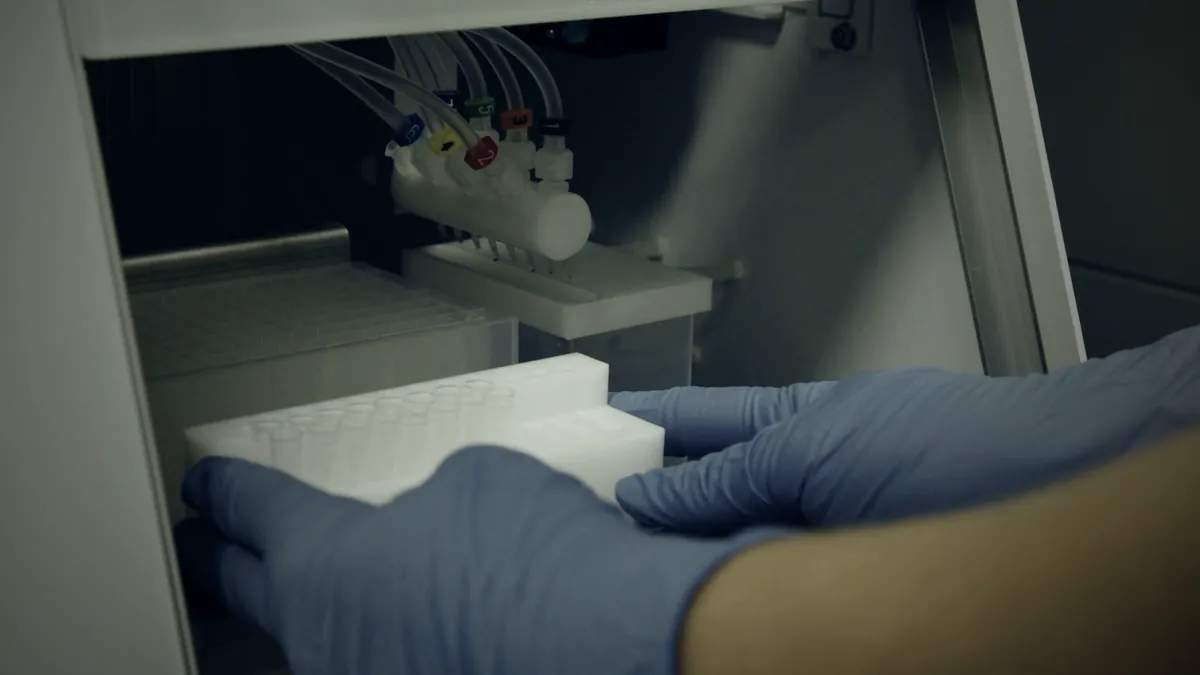
Laboratory automation
Closed-loop systems that run experiments around the clock, adjust as results arrive, and record every step so any result can be reproduced.
- Robotics
- Assay design
- Traceability
 02
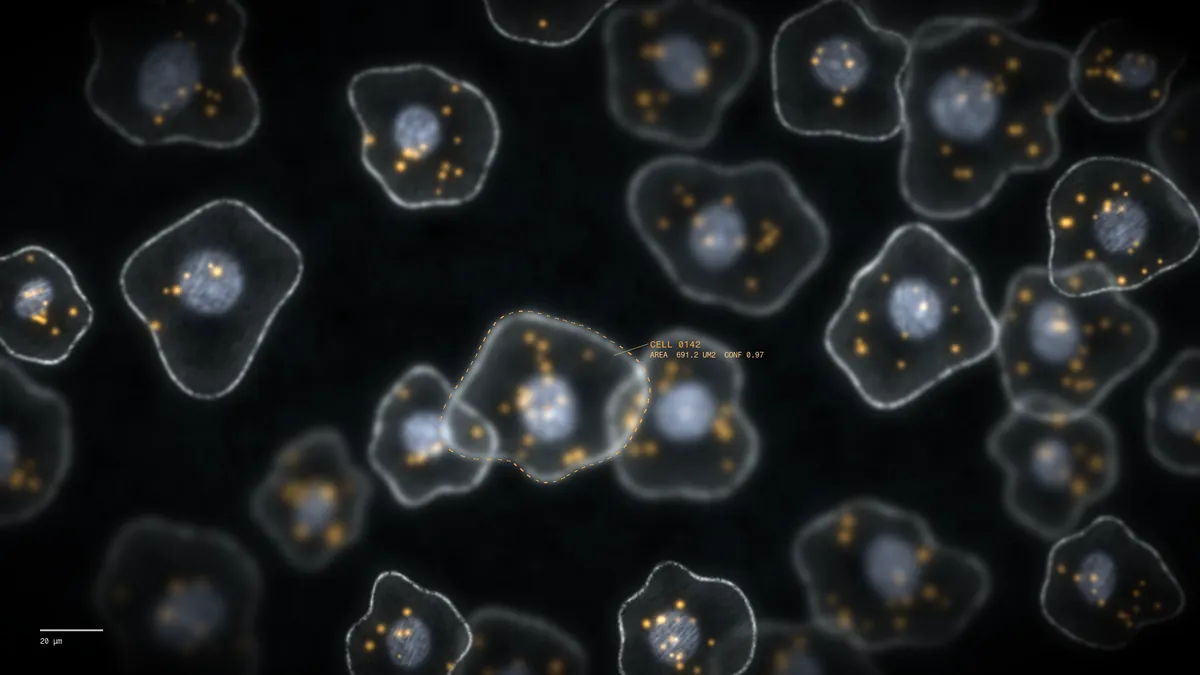
Biosensing
Sensors that read biological signals continuously, in the lab, the clinic and the field, instead of in occasional snapshots.
- Imaging
- Optical sensing
- Edge analysis
 03
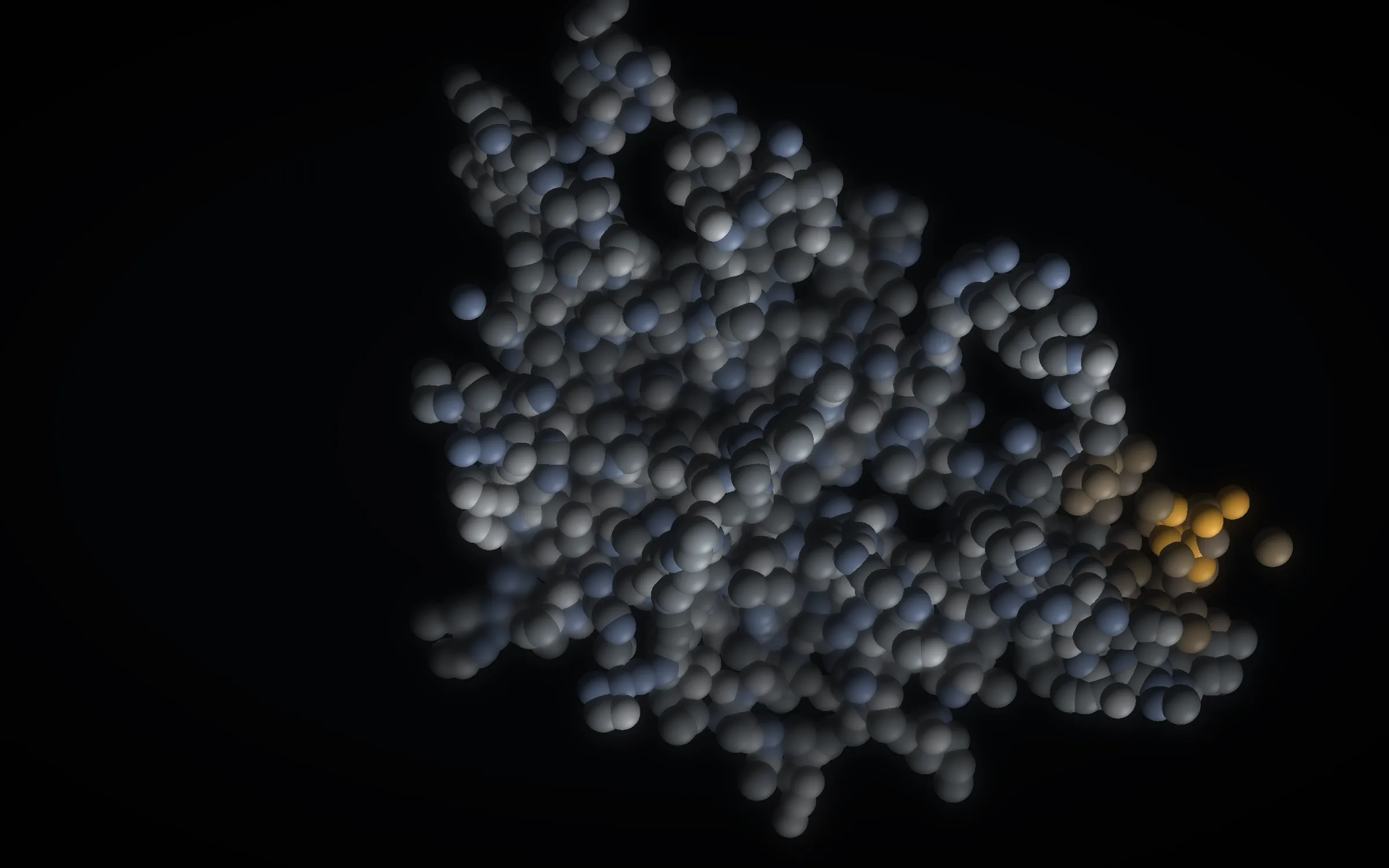
Computational biology
Models of molecules, cells and populations trained on data we can trace, with uncertainty reported alongside every prediction.
- Structure
- Simulation
- Machine learning
 04
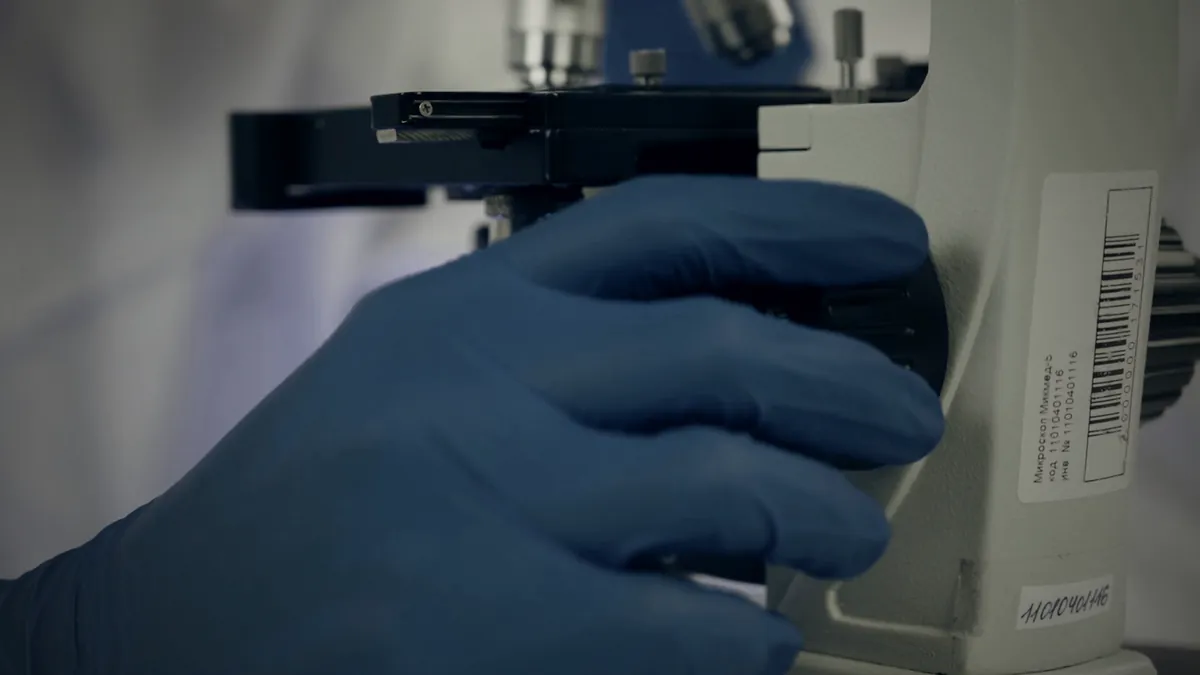
Biosecurity
Early detection of biological threats, built on the same sensing and fusion core as our security systems.
- Surveillance
- Early warning
- Response
Automation
Designed so every sample is tracked and every step can be reproduced.
Representative footage
Approach
From sample to decision.
Step 01
Sample
Collect the right material at the right moment, with chain of custody from the first second.
Step 02
Measure
Automated instruments generate consistent, calibrated data at a pace people cannot match by hand.
Step 03
Model
Analysis that explains its reasoning and states what it does not know.
Step 04
Decide
Clear findings for the scientists and clinicians who carry the responsibility.
Partner with us
Bring us the hard problem.
We are looking for our first research, clinical and industry partners on problems where better measurement changes the outcome.
Start a conversation